
Teacher: Miss Thomason-Leigh
TA: Miss Thompson
Summer Term 2026:
This term, pupils completed their work on The BFG by Roald Dahl, writing diary entries from Sophie’s perspective and creating their own giant stories. Through this work, they developed their use of pronouns and nouns to avoid repetition, conjunctions, adverbs and prepositions to show time, place and cause, and fronted adverbials with accurate punctuation. More recently, children have focused on writing magazine articles about coral reefs and the impact of climate change. They have learned how to organise information using subheadings and paragraphs, use noun phrases and similes to add detail, and apply commas in lists correctly. Pupils have also explored persuasive language techniques to encourage readers to care about and protect the world’s coral reefs.
This term, Year 3 have continued to develop their mathematical understanding across a range of topics. Pupils explored fractions, learning to recognise, compare and find fractions of shapes and quantities. They developed their understanding of equivalent fractions and used practical resources to support their learning. In their work on time, children learned to read analogue and digital clocks, tell the time to the nearest minute and solve problems involving duration. During their money unit, pupils recognised coins and notes, added and subtracted amounts and calculated change in real-life contexts. They are now preparing to move on to learning about the properties of 2D and 3D shapes.
Forces and Magnetism
This term, Year 3 explored Forces and Magnetism. The children learned about pushes, pulls and friction and investigated how forces affect the movement of objects. Through practical activities, they tested different surfaces and observed how friction changes movement. Pupils also learned about magnets, identifying magnetic and non-magnetic materials and investigating attraction and repulsion. They developed their scientific enquiry skills by making predictions, carrying out investigations, recording results and drawing conclusions.

This term, pupils explored Ancient Egypt through both history and geography. They developed their chronological understanding by placing Ancient Egypt on a timeline and comparing life then with the Stone Age and today. Children learned historical vocabulary and used a range of sources to investigate Egyptian life. In geography, they located Egypt and its neighbouring countries, explored human and physical features, compared Egypt with the UK and learned about the importance of the River Nile.
In Art, pupils explored the distinctive style of Ancient Egyptian artwork. They studied portraits, symbols and hieroglyphics and learned how art was used to tell stories and record important events. Children examined examples of Egyptian artefacts before creating their own artwork inspired by these designs. They developed skills in drawing, pattern and colour while learning how art can help us understand life in the past.

This term, children designed and built model greenhouses. They investigated the purpose of greenhouses and explored how structures can be made strong and stable. Pupils planned their designs, selected suitable materials and practised measuring, cutting and joining techniques. Once completed, they evaluated their finished products and considered possible improvements. The project encouraged creativity, problem-solving and resilience while developing practical design and construction skills.

In RE, pupils explored what it means to be a Christian in Britain today. They learned about Christian beliefs, values and practices and considered how faith can influence daily life. Children discussed key teachings such as kindness, forgiveness and helping others, and explored the role of worship and churches within communities. Through discussion and reflection, they developed respect for different beliefs and traditions.
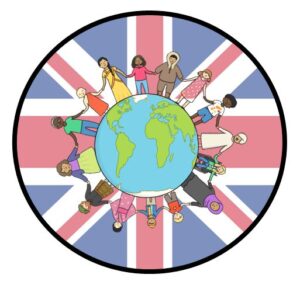
In PSHCEE children have been earning about “Living in the Wider World” this helps pupils understand rules, laws, and fairness. They explore communities, jobs, and how money is used. Pupils learn about mutual tolerance and respect for diversity, appreciating different cultures and beliefs. This supports kindness, responsibility, and awareness of their role in society.

This term, pupils developed their computing skills through word processing and presentations. They learned how to create, edit and format documents, improving their typing and digital communication skills. Children then used presentation software to create PowerPoint slides, adding text and images to share information clearly. They learned how to organise content effectively and gained confidence using technology for communication and presentation purposes.

In Music, pupils enjoyed developing their singing and listening skills. During Summer 1, they explored songs linked to the human body and focused on rhythm, pitch and performance. In Summer 2, they learned about music connected to the Ancient World and food and drink themes. Through singing, listening and discussion activities, children developed their musical understanding and confidence while showing enthusiasm and creativity in their performances.

This term, pupils participated enthusiastically in Orienteering, Netball, Athletics and Fitness. They developed teamwork and problem-solving skills through orienteering challenges and improved their passing, catching and movement skills in netball. Athletics lessons focused on running, jumping and throwing techniques, while fitness activities helped develop strength, stamina and coordination. Throughout the term, children demonstrated resilience, cooperation and a positive attitude towards physical activity.
This term, pupils expanded their French vocabulary through the topics Fruits and Vegetables and Ice Creams. They practised speaking, listening and pronunciation skills through songs, games and role-play activities. Children learned to name a range of foods and express simple preferences in French. They became increasingly confident in recognising familiar vocabulary and using simple phrases, while continuing to develop their enjoyment of learning a new language.
| Year/
Term |
TOPIC NAME | Science
|
History
|
Geography
|
Art and DTRRSA Articles 13, 31
|
PSHE
|
RE
RRSA Article 14
|
Computing
|
Music
RRSA Articles, 13, 31
|
PE
RRSA Articles 13, 24, 31
|
MFL
|
| Year 3
SUMMER |
The Egyptians | Forces and Magnetism Y3 | The Egyptians
Chronological understanding, ways of life in different periods (contrast with present and Stone Age)
Historical vocabulary
Use a range of sources to find out about life in Ancient Egypt
RRSA Article 17
|
Investigating Egypt
Focus: Non – European Location – Egypt Name and locate bordering countries 8 compass points 4 fig grid refs Map symbols / keys Human / physical features Comparison to UK Developing trade links- River Nile RRSA Article 27
|
Art in the Eyes of the Egyptians
DT Structures – Making Greenhouses (PB Unit)
|
Keeping Safe – Smoke, Risks, Emergency
BV – Rule of Law
RSE – Personal space, Healthy relationships, Equal relationships
BV – Individual Liberty and Rule of Law
|
What does it Mean to be a Christian in Britain Today? | Communicate IT – Basic skills (word processing)
Present IT- powerpoint presentations
|
Summer 1
Human body & Singing French
Summer 2 Ancient World & Food and Drink |
Orienteering
Netball
Athletics
Fitness |
Sum 1 Fruits or Vegetables
Sum 2- Ice creams |

Homework Leaflet-Homework leaflet
